

Arrested While Protesting in Minneapolis: Know Your Rights
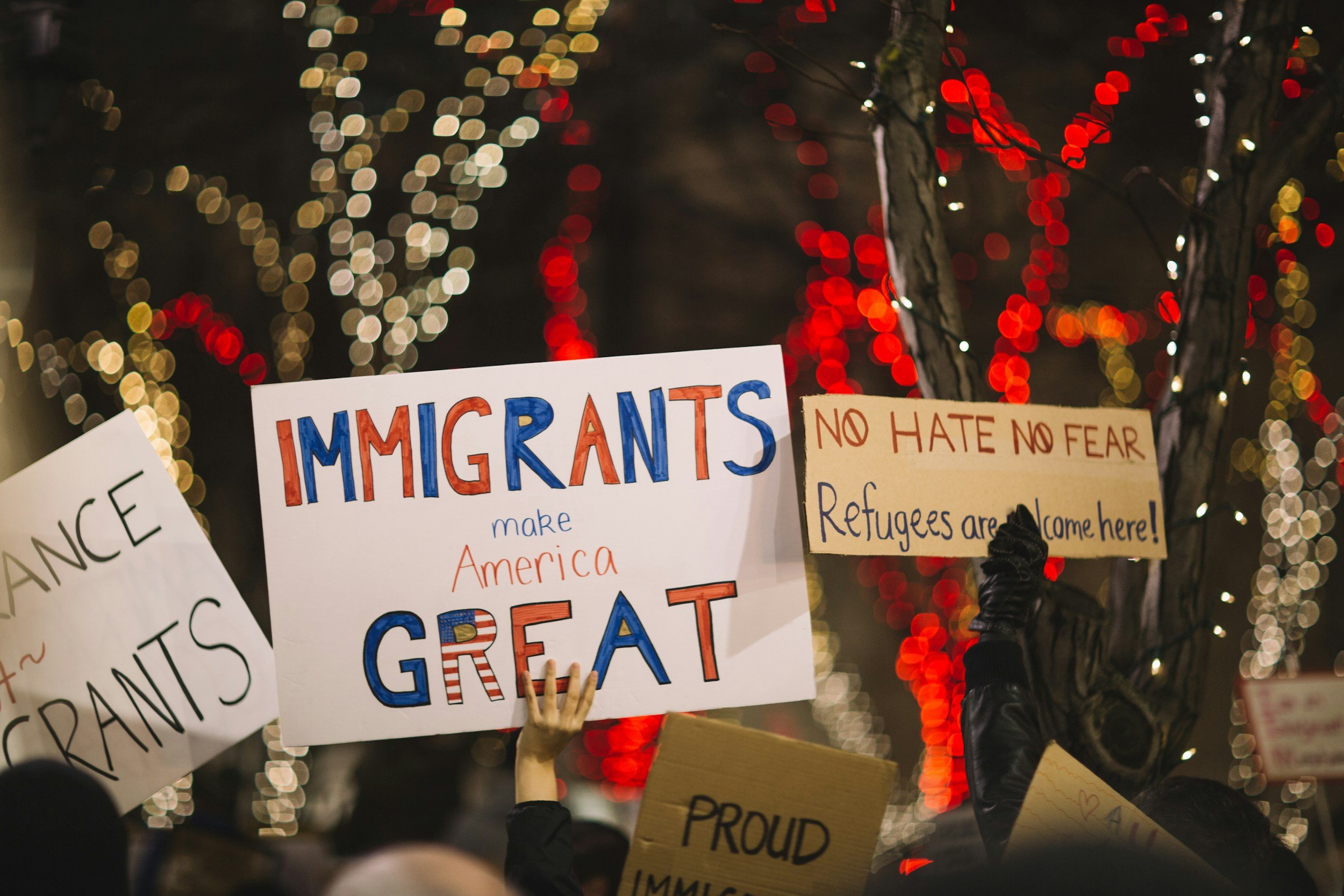
Protest is not a crime. Knowing your rights is protection.
By Sullivan Rice
Minneapolis has a long history of protest — and of people standing up when systems fail them. If you are arrested while protesting, it can feel overwhelming, confusing, and unfair. This guide is written for protesters, organizers, and community members who want to protect themselves and each other when police intervene.
Protesting Is a Constitutional Right
Peaceful protest is protected by the First Amendment. You do not lose your rights because your message is unpopular, disruptive, or critical of law enforcement or government.
That said, police may still make arrests — sometimes lawfully, sometimes not. Knowing your rights before, during, and after an arrest matters.
Common Reasons People Are Arrested at Protests
In Minneapolis, protest-related arrests often involve charges like:
Disorderly conduct
Unlawful assembly
Curfew violations
Obstructing legal process
Failure to disperse
These charges are often broad, vague, and overused. An arrest does not mean you did anything wrong.
If Police Order a Dispersal
Police may issue a dispersal order over loudspeakers.
You should:
Try to listen carefully
Move away calmly if it is safe to do so
Avoid running or sudden movements
If you do not hear the order, cannot safely leave, or are boxed in by police, that matters legally. Dispersal orders are not always clear or lawful.
If You Are Arrested
If police arrest you during a protest:
Stay calm and do not resist physically
Do not argue your case on the street
You have the right to remain silent
Say clearly:
“I am exercising my right to remain silent. I want a lawyer.”
Then stop talking.
Do not explain. Do not justify. Do not answer questions.
What Police Can and Cannot Do
Police may:
Ask for your name
Handcuff and search you incident to arrest
Police cannot:
Punish you for your message
Force you to answer questions
Retaliate against you for filming or speaking
If officers use excessive force, that may become part of your defense.
Phones, Filming, and Social Media
You generally have the right to:
Film police in public spaces
Keep your phone locked
You do not have to:
Unlock your phone
Give consent to search your device
If your phone is taken, do not consent to a search. Ask for a lawyer.
After Release: What to Do Next
If you are released from jail:
Write down everything you remember as soon as possible
Save photos, videos, and clothing
Get medical attention if you were injured
Do not post details about your arrest online
Then, speak with a lawyer before your first court date.
Immigration Consequences Matter
If you are not a U.S. citizen, protest arrests can have immigration consequences — even if charges are dismissed later.
This does not mean you should stay silent about injustice. It means you should get legal advice early from both a criminal defense and immigration attorney.
Final Word
Arrests at protests are often meant to intimidate and discourage people from speaking out. Knowing your rights helps shift the balance of power back where it belongs — with the people.
You are not alone. An arrest does not define you, and it does not erase the message you stood for.
Jack Rice Defense stands with protesters, organizers, and community members — because protecting constitutional rights is not optional.
