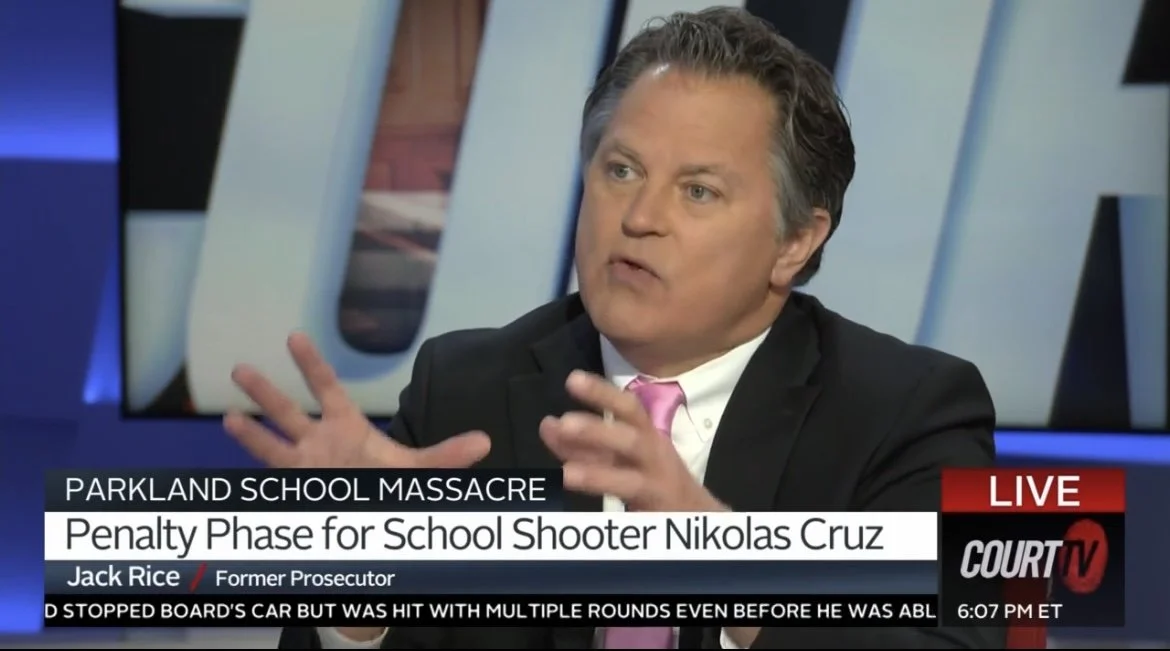

How to Defend Against a Third-Degree Riot Charge in Minnesota
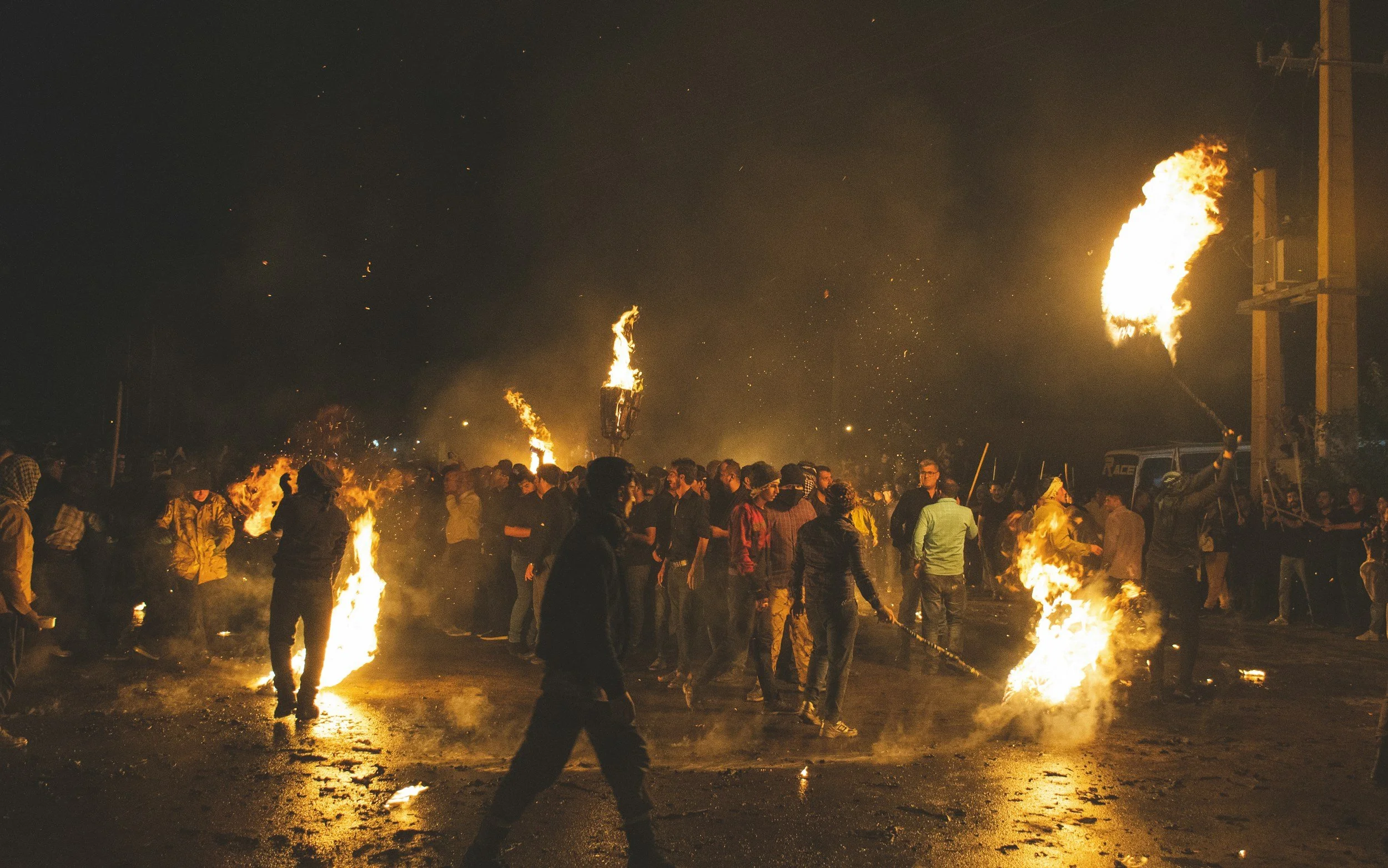
Facing a third-degree riot charge in Minnesota? Understanding the allegations, challenging the evidence, and building a strong defense can make a critical difference in your case.
A protest, public confrontation, or chaotic encounter can quickly turn into a criminal investigation. When police become involved, prosecutors may attempt to hold individuals responsible for the conduct of a larger group. But being present when a crowd becomes disorderly does not automatically establish that a person committed a crime.
At Jack Rice Defense, we understand that riot charges require a careful examination of the facts, the law, and the evidence. As a former prosecutor and an experienced criminal defense attorney, Jack Rice knows how the government builds criminal cases—and how to challenge those cases when the evidence does not support the allegations. If you are facing charges. contact Jack Rice Defense for a free confidential consultation at 651-447-7650 or 612-227-1339.
What Is Third-Degree Riot in Minnesota?
Under Minnesota Statutes § 609.71, subdivision 3, a person may be guilty of third-degree riot when three or more people assembled together disturb the public peace through an intentional act or threat of unlawful force or violence against a person or property. The statute applies to participants in the assembly.
Third-degree riot is punishable by up to 364 days in jail and a $1,000 fine. Although it is less serious than first- or second-degree riot, a conviction can still have significant consequences for your record, employment, professional opportunities, and reputation.
The law distinguishes third-degree riot from second-degree riot, which involves a participant who is armed with a dangerous weapon or knows another participant is armed. First-degree riot involves additional circumstances, including a death resulting from the riot and the presence of a dangerous weapon.
The precise facts matter. The prosecution must prove the elements of the charged offense beyond a reasonable doubt. Minnesota Statutes § 609.71.
How Do You Defend Against a Third-Degree Riot Charge?
There is no single defense that works in every case. An effective defense begins with a thorough investigation of what actually happened, what the accused person did, and whether the available evidence proves the crime charged.
1. Challenge Whether a Riot Actually Occurred
A crowd gathering, a heated argument, or a loud and contentious protest does not automatically establish third-degree riot. The statute requires an intentional act or threat of unlawful force or violence that disturbs the public peace.
A defense attorney should examine what happened before, during, and after the alleged incident. Was there an actual act or threat of unlawful force? What conduct allegedly disturbed the public peace? Do witness accounts, video recordings, and other evidence support the prosecution's version of events?
If the evidence does not establish the required elements, the defense may challenge whether the charge can be proven.
2. Examine the Accused Person's Individual Conduct
One of the most important questions is what the accused person actually did.
Was the individual actively engaging in unlawful force or threatening violence? Were they observing, documenting, protesting, or attempting to leave? Did they attempt to calm the situation or protect another person?
The fact that several people were involved in a confrontation does not eliminate the need to examine the evidence relating to the person charged. A defense attorney must scrutinize the prosecution's theory of participation and determine whether the evidence establishes the accused person's involvement in conduct covered by the statute.
3. Challenge Video Evidence and Witness Identification
Video can be powerful evidence, but it does not necessarily tell the entire story.
Police body-camera footage, surveillance recordings, cell phone videos, livestreams, and social media posts may capture different portions of an incident. A short clip may omit what happened immediately before an encounter or fail to show who initiated a confrontation.
An experienced defense attorney will seek relevant recordings, examine their context and completeness, compare conflicting accounts, and investigate whether witnesses have accurately identified the accused person.
The goal is to establish the full factual picture rather than allow a prosecution to rely on an incomplete or misleading account.
4. Investigate Self-Defense and Defense of Others
Some confrontations involve people who claim they were protecting themselves or another person from unlawful force. When the evidence supports such a claim, self-defense or defense of others may be an important part of the case.
The legal analysis depends on the circumstances, including the nature of the threat, the actions of the people involved, and whether the force used was legally justified. Not every physical confrontation qualifies as lawful self-defense, and the defense must be grounded in the actual evidence.
Jack Rice Defense carefully examines the circumstances surrounding an alleged confrontation to determine whether a legally supported justification applies.
5. Scrutinize the Police Investigation
Criminal charges are based on evidence gathered and interpreted by investigators. That process must be examined carefully.
Did officers interview witnesses with different perspectives? Did they preserve relevant video and digital evidence? Were statements taken out of context? Did investigators distinguish between individuals who engaged in unlawful conduct and those who were merely present?
A thorough defense investigation can uncover inconsistencies, missing evidence, unreliable identifications, or alternative explanations for what occurred.
6. Protect Constitutional Rights
Protests and other public gatherings may raise important questions involving freedom of speech, freedom of assembly, and the right to petition the government. Those protections do not provide blanket immunity for unlawful violence, but neither should participation in protected expression be treated as proof of criminal conduct.
Depending on the facts, a defense attorney may need to examine whether law enforcement respected the accused person's constitutional rights and whether any evidence was obtained unlawfully.
The appropriate legal challenges will depend on the circumstances of the arrest, the investigation, and the prosecution's evidence.
Why Experience Matters in a Riot Case
Riot cases can involve multiple defendants, competing witness accounts, extensive video evidence, and rapidly evolving public narratives. Prosecutors may present an incident as a single episode of collective misconduct, while the defense must carefully examine each relevant action and the evidence supporting the specific charge.
Jack Rice is a former prosecutor and an experienced criminal defense attorney who understands how prosecutors evaluate evidence, develop theories of criminal liability, and prepare cases for trial. That perspective is important when identifying weaknesses in an investigation, challenging the state's interpretation of events, and developing a defense tailored to the individual client.
At Jack Rice Defense, every case deserves an independent, thorough evaluation. The objective is to protect your rights, challenge unsupported allegations, and pursue the best available outcome based on the facts and the law.
Charged With Third-Degree Riot in Minnesota? Contact Jack Rice Defense
A criminal charge is not a conviction. If you have been accused of third-degree riot in Minnesota, do not assume that the prosecution's version of events is the complete story. The evidence may reveal important defenses, unanswered questions, or legal issues that could significantly affect your case.
Contact Jack Rice Defense for a free, confidential consultation.
Call 651-447-7650 or 612-227-1339 to discuss your case and learn how an experienced criminal defense attorney can help protect your rights.
When your job, career, reputation, and life are on the line, make sure Jack Rice Defense is by your side.