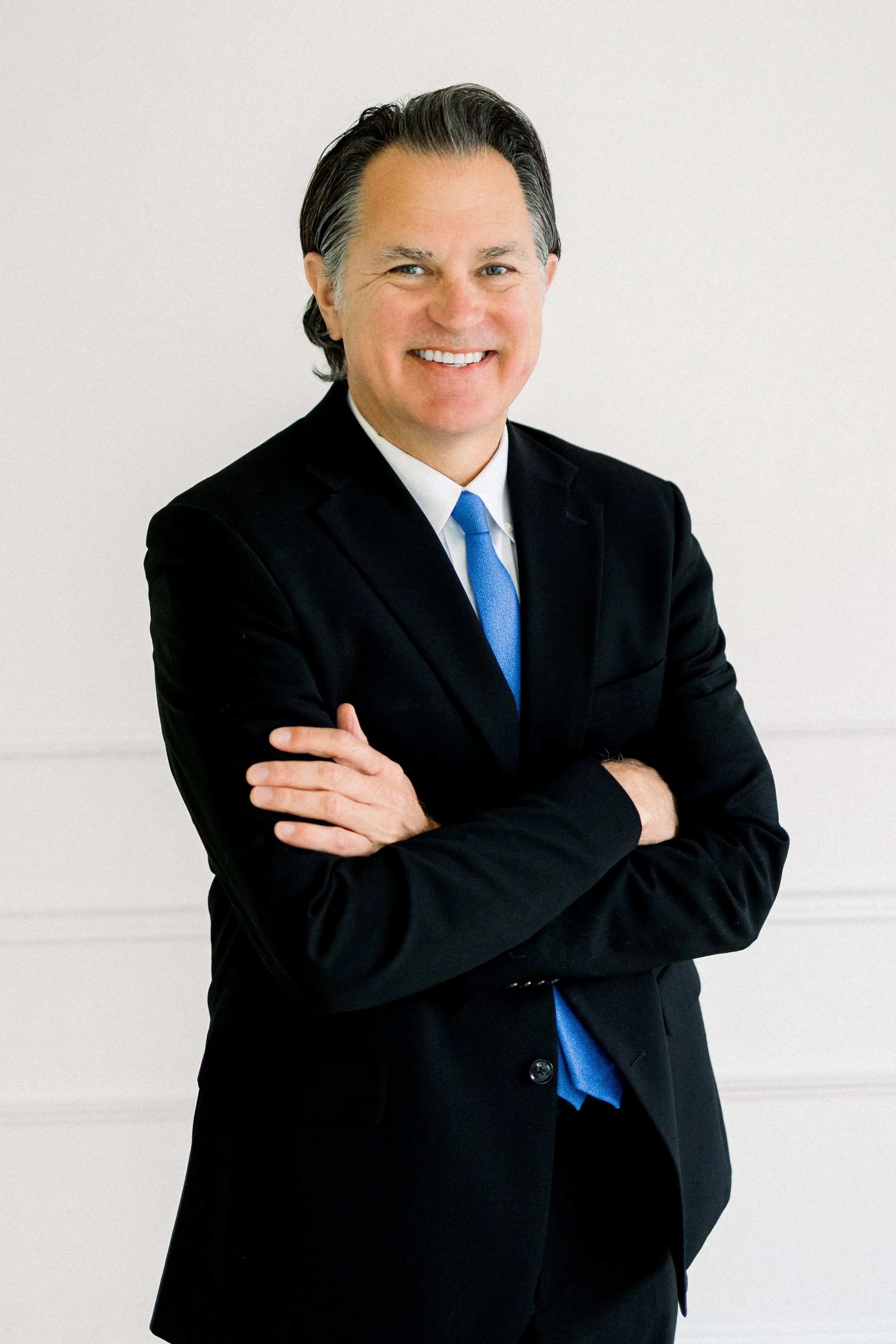

Jack Rice on NPR’s All Things Considered: Terrorism, Somali Minnesotans, and the Dangerous Consequences of Political Rhetoric

Jack Rice Defense | Minnesota Criminal Defense News
Jack Rice recently appeared on NPR’s All Things Considered to discuss the arrest of an 18-year-old accused of plotting a terrorist attack at the Mall of America, the challenges of addressing extremism, and the potential consequences of political rhetoric targeting Minnesota’s Somali community.
The case has raised urgent questions about terrorism, public safety, radicalization, and how law enforcement can identify and disrupt threats before innocent people are harmed. It has also brought renewed attention to allegations of gang violence and other criminal activity involving some individuals of Somali descent—and the importance of distinguishing individual criminal or terrorist conduct from an entire community.
For Jack Rice, these issues are more than a legal discussion. They touch on decades of experience in criminal prosecution and defense, as well as his background as a former CIA case officer.
Understanding the Mall of America Terrorism Case
Federal authorities have accused an 18-year-old Minnesota resident of plotting a mass-casualty attack at the Mall of America in support of The Islamic State. The allegations describe an investigation that began when the suspect was a teenager and ultimately led to his arrest before the alleged attack could occur. The charges remain allegations, and the defendant is presumed innocent unless proven guilty.
The case illustrates the difficult work involved in identifying potential threats, evaluating evidence, understanding radicalization, and protecting the public while respecting the legal rights of the accused.
As a former prosecutor and experienced criminal defense attorney, Jack understands the importance of examining the evidence carefully, taking credible threats seriously, and ensuring that the justice system responds to the facts of each individual case.
But Jack also brings another perspective to this conversation: his experience as a former CIA case officer, where understanding people, motivations, intelligence, and the circumstances surrounding potential threats was central to the work. Further, what happens in rhetoric actually makes things much much worse?
When Political Rhetoric Becomes a Public Safety Concern
The conversation on All Things Considered also addressed a broader concern: what happens when political leaders portray an entire ethnic community as dangerous?
President Donald Trump has described Somalis as “garbage” and recently claimed that Minnesota is being taken over by Somali immigrants. Those remarks have drawn criticism from civil rights advocates and Minnesota leaders. Reuters reported on the president’s October 8, 2026, statements and the resulting backlash. More recently he described Somalis as “taking over the State.”
The concern is not whether criminal activity should be investigated or whether genuine threats should be taken seriously. They should. Allegations of terrorism, gang violence, fraud, or other criminal conduct must be examined and addressed based on the available evidence.
The problem arises when the conduct of particular individuals becomes a justification for condemning an entire community.
Minnesota’s Somali Americans include citizens, business owners, workers, parents, students, and public servants. They should not be held collectively responsible for the alleged actions of others simply because they share an ethnic background.
Jack’s concern is that this kind of rhetoric can deepen divisions, increase hostility toward innocent people, and undermine the trust communities need to work with law enforcement. It can also create conditions that extremists may seek to exploit.
The Connection Between Dehumanization and Radicalization
As a former CIA case officer, Jack brings a national security perspective to the discussion that extends beyond the courtroom.
Understanding terrorism requires more than identifying a suspect or examining a list of alleged criminal acts. It requires looking at how people become radicalized, how extremist ideologies take hold, and how individuals come to view violence against others as justified.
“When the President called Somalis in Minnesota garbage, that actually make the situation more dangerous.”
Dehumanizing rhetoric is dangerous because it can reinforce an us-versus-them mentality. When people are repeatedly told that they do not belong, that their community is a threat, or that they are less deserving of dignity than other Americans, those messages can deepen alienation and resentment.
That does not mean political insults automatically cause terrorism, or that people who experience discrimination will become violent. The overwhelming majority of people who face prejudice do not turn to violence. Radicalization is complex, and no single explanation accounts for every case.
But extremists can exploit feelings of exclusion and grievance to promote their ideologies. Public officials should understand that risk rather than dismissing the potential consequences of their words.
Effective counterterrorism requires identifying credible threats, disrupting violent plots, understanding extremist networks, and building the community relationships that help authorities recognize danger. Broadly stigmatizing an ethnic or religious group risks undermining those efforts.
Public safety and the rejection of collective blame are not competing goals. They are both essential to a safer Minnesota.
A Perspective Shaped by Prosecution, Criminal Defense, and Intelligence
Jack Rice’s perspective reflects three distinct professional experiences.
As a former prosecutor, he understands the responsibility to investigate and prosecute serious criminal conduct and to protect the public.
As an experienced criminal defense attorney, he understands the importance of evidence, constitutional protections, and the principle that every defendant is presumed innocent until proven guilty. Even in emotionally charged cases involving terrorism, the justice system must distinguish allegations from established facts.
And as a former CIA case officer, Jack understands the importance of examining the larger picture: the motivations behind conduct, the dynamics of extremist movements, the reliability of information, and the circumstances that can influence whether threats emerge or are successfully prevented.
These perspectives matter when discussing a case involving an alleged terrorist plot alongside the broader tensions surrounding immigration, crime, and Minnesota’s Somali community.
The challenge is to confront real threats without allowing fear, prejudice, or political rhetoric to distort our understanding of them.
Listen to Jack Rice on NPR’s All Things Considered
Jack’s appearance on NPR’s All Things Considered explores the intersection of criminal law, counterterrorism, and the consequences of rhetoric directed at an entire community.
The discussion is particularly relevant at a time when Minnesota is confronting serious public safety concerns while also debating the place of Somali Americans in the state’s future.
Jack believes these conversations demand experience, careful analysis, and a willingness to look beyond headlines. Protecting the public means taking credible threats seriously, holding individuals accountable for their own conduct, and recognizing that language from the highest levels of government can have consequences far beyond the immediate political debate.
At Jack Rice Defense, that commitment to careful analysis and the rule of law informs the work we do every day.
When your job, career, reputation, and life are on the line, make sure Jack Rice Defense is by your side.
If you or someone you know is facing criminal charges in Minnesota, contact Jack Rice Defense for a free confidential consultation at 651-447-7650 or 612-227-1339.