

Jack Rice Weighs In on Patrick Clancy and the Public Scrutiny Surrounding the Lindsay Clancy Case
By Sullivan Rice
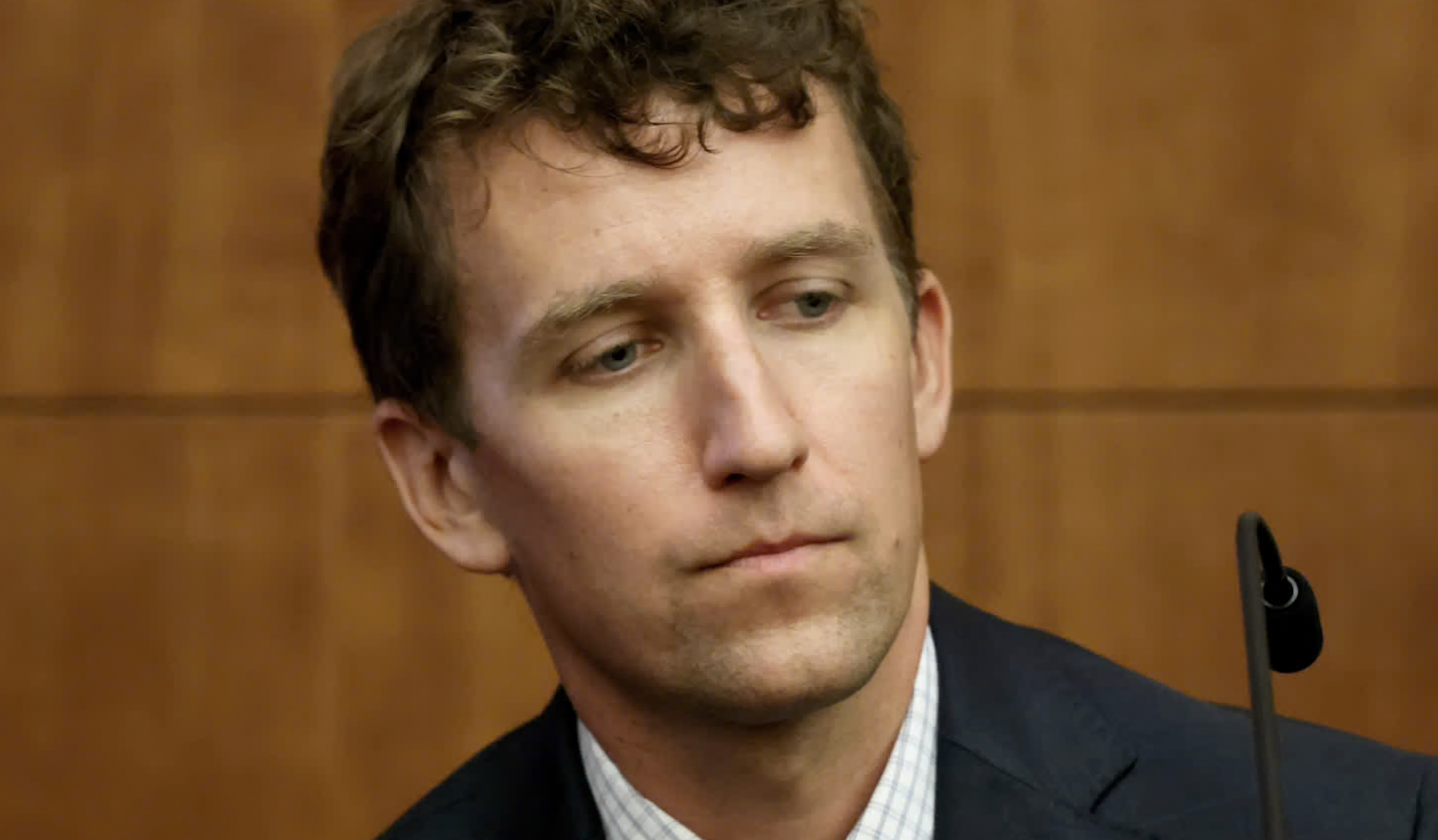
As the Lindsay Clancy murder trial continues to draw national attention, the focus has extended beyond the courtroom. Patrick Clancy, Lindsay Clancy’s former husband and the father of their three children, has faced intense scrutiny online despite not being accused of any wrongdoing.
In a recent interview on Criminally Obsessed, Criminal defense attorney Jack Rice discussed Patrick’s role in the case, his testimony, and the growing number of theories surrounding him. Rice’s perspective was subsequently featured in Men’s Journal in an article examining why Patrick has become the subject of public attention despite being a witness—not a defendant—in the case.
A Witness Becoming the Subject of Public Scrutiny
Patrick Clancy testified during Lindsay Clancy’s trial about the events surrounding the deaths of their three children in January 2023.
According to Men’s Journal, Rice emphasized that Patrick’s testimony appeared sympathetic to the jury, particularly when he described returning home and immediately attempting to help one of his children. Rice questioned why Patrick should continue to face public judgment for recounting one of the most traumatic moments of his life.
“Somehow, Patrick Clancy has ended up on trial too,” Criminally Obsessed reporter Anne Emerson observed during the discussion—not in a Massachusetts courtroom, but online.
That distinction is important.
Patrick is not charged in connection with the deaths of his children, and authorities have not accused him of wrongdoing. Yet online commentary has increasingly focused on questions about what he knew, what he should have recognized, and why he left the home that night.
Looking at the Evidence, Not Hindsight
One of the central points Rice raised was the importance of looking at the evidence that existed at the time rather than evaluating Patrick’s decisions solely through the lens of what happened afterward.
As Rice explained, investigators have documentary evidence supporting Patrick’s account of his movements that evening, including surveillance footage, text messages, phone calls, records of his trip to obtain food and medication, and evidence recovered from the home.
That evidence matters because hindsight can fundamentally change how people perceive decisions made before a tragedy occurred.
After something catastrophic happens, it can be tempting to look backward and assume that warning signs were obvious or that the outcome should have been foreseeable. But criminal law requires more than hindsight. It requires evidence and a legally sufficient basis for holding an individual responsible.
The Role of Mental Health Treatment
The discussion also examined the broader questions surrounding Lindsay Clancy’s mental health treatment before the deaths of her children.
Clancy’s defense has argued that she was suffering from severe mental illness, including postpartum psychosis, and that medications prescribed to her contributed to her deteriorating condition. Rice noted that the case involves allegations concerning a large number of prescription medications and has raised serious questions about the medical treatment Clancy received.
Those questions have also become part of civil litigation involving Clancy and Patrick and members of the medical community. Recent trial testimony has continued to focus on Clancy’s mental health struggles, treatment, medications, and reports of suicidal thoughts in the weeks preceding the killings.
But those issues should not automatically translate into criminal responsibility for someone who was not charged.
A Tragedy With No Simple Answers
Rice described Patrick as a victim of an unimaginable tragedy and argued that, from a prosecutorial perspective, he does not see a realistic basis for charging Patrick in connection with the deaths.
That does not mean there are no difficult questions surrounding the case. It means those questions must be considered within the boundaries of the law and based on evidence—not speculation generated online.
The Lindsay Clancy case presents extraordinarily complicated questions about mental illness, criminal responsibility, medical treatment, parental responsibility, and the devastating consequences of a psychiatric crisis.
For Rice, however, there is another important consideration: Patrick Clancy lost his three children. He has also had to relive those events publicly through testimony and continued media coverage.
As the trial continues, Rice’s discussion with Criminally Obsessed offers an important reminder that not everyone at the center of a criminal case is a criminal defendant—and that public scrutiny should not be confused with criminal culpability.
