

Protest-Related Charges in Minneapolis: A Defense Guide
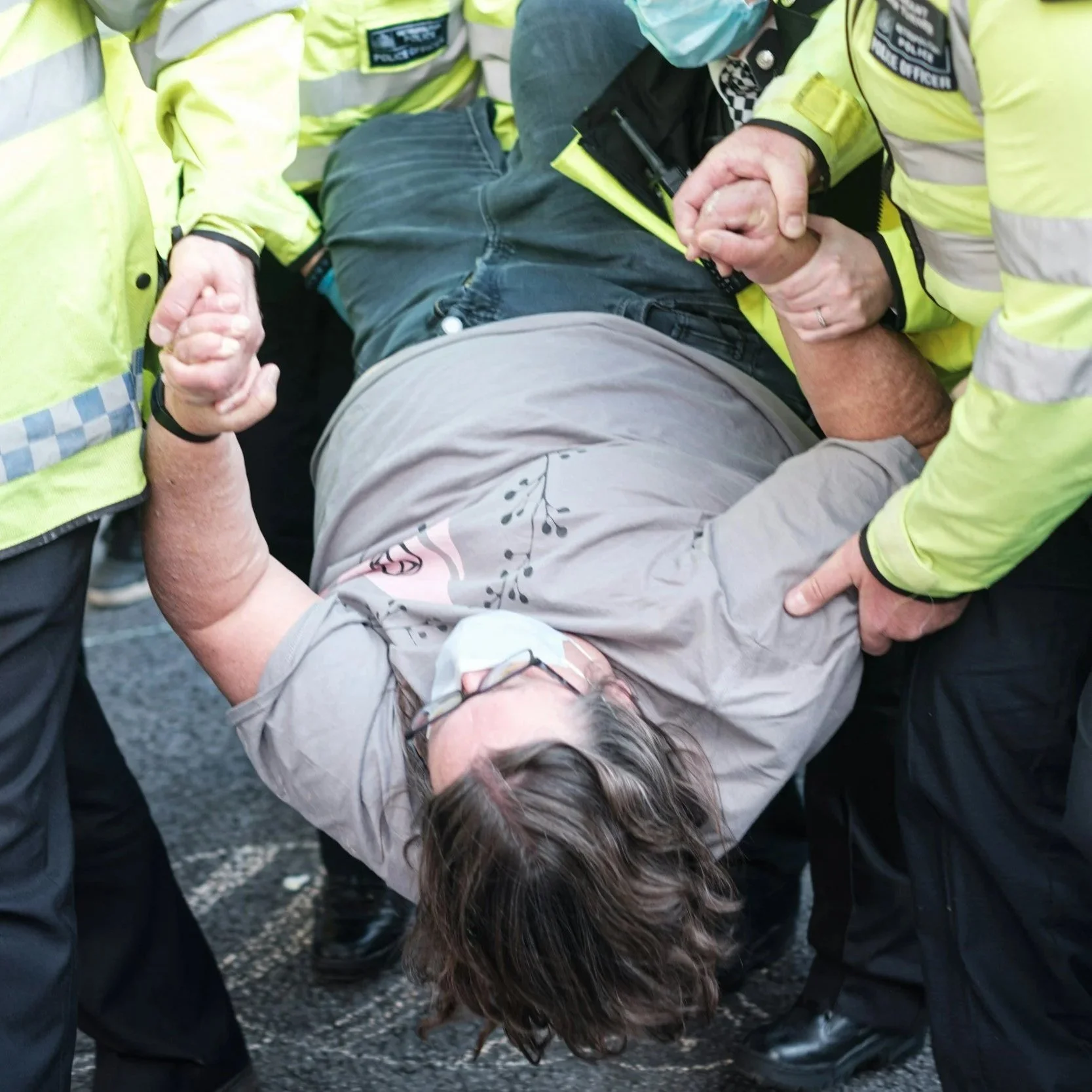
Overcharging is common. Silence is powerful. Defense matters.
By Sullivan Rice
In Minneapolis, protest-related arrests often come with a stack of charges meant to intimidate, overwhelm, or pressure people into quick pleas. This guide breaks down some of the most common charges and tactics used against protesters — and what you should know if you’re facing them.
This is written for protesters and community members — not the state.
1. “Aiding and Abetting” at Protests
What It Is
“Aiding and abetting” means the state is claiming you helped or encouraged someone else to commit a crime.
How It’s Misused
At protests, this charge is often added when:
Police can’t prove who did what
People are arrested in groups
The state wants leverage without evidence
Being nearby, chanting, filming, or running is not the same as helping.
What the State Must Prove
Prosecutors must show:
You intentionally assisted another person
You knew a crime was going to occur
Association is not guilt. Presence is not proof.
2. Felony vs. Misdemeanor Property Damage in Minnesota
The Difference Matters
Property damage charges depend on:
The alleged dollar amount of damage
Whether the property is public or private
Prior convictions
Minor damage is often charged as a misdemeanor — but during protests, police frequently inflate damage estimates to justify felony charges.
Why This Is Important
Felony charges:
Increase bail
Increase pressure to plead
Carry harsher long-term consequences
Damage amounts can be challenged — and often are.
3. Video Evidence: Helpful or Harmful?
How Video Helps
Video can:
Show you did not cause damage
Contradict police reports
Prove misidentification or excessive force
How Video Is Used Against You
Police also use:
Social media clips
Crowd footage taken out of context
Grainy or partial recordings
Do not assume video tells the whole story. Context matters.
What to Do
Do not delete footage
Do not post commentary online
Share evidence only with your lawyer
4. Why Protest Charges Often Get Dismissed or Reduced
Many protest-related cases fall apart because:
Officers cannot identify individual actions
Evidence is weak or contradictory
Arrests were made without probable cause
Dispersal orders were unclear or unlawful
Protest cases are defense-heavy. Early legal strategy can change outcomes.
5. Expungement of Protest-Related Charges in Minnesota
Yes — It’s Often Possible
Even if you were arrested or charged, Minnesota law allows many protest-related cases to be:
Expunged
Sealed
Removed from public view
This can apply to:
Dismissed cases
Acquittals
Some convictions
Why Expungement Matters
An arrest record can affect:
Jobs
Housing
Education
Immigration status
Clearing your record is about reclaiming your future.
What to Do If You’re Charged
No matter the charge:
Do not talk to police
Do not explain your intent
Do not post details online
Say:
“I am exercising my right to remain silent and I want a lawyer.”
Then stop talking.
Immigration Consequences Are Real
For non-citizens, even protest-related misdemeanors can have immigration consequences.
Defense strategies should account for:
ICE involvement
Immigration holds
Long-term status risks
Criminal and immigration law intersect — and mistakes are costly.
Final Word
Protest charges in Minneapolis are often about control, not accountability. The law still requires proof, fairness, and respect for constitutional rights.
You do not have to accept overcharging, intimidation, or silence as the cost of speaking out.
Jack Rice Defense stands with people targeted for protest-related charges — because dissent is not a crime, and defense should never be passive.
