

Will the U.S. Supreme Court Require 12-Person Juries in All Felony Cases?
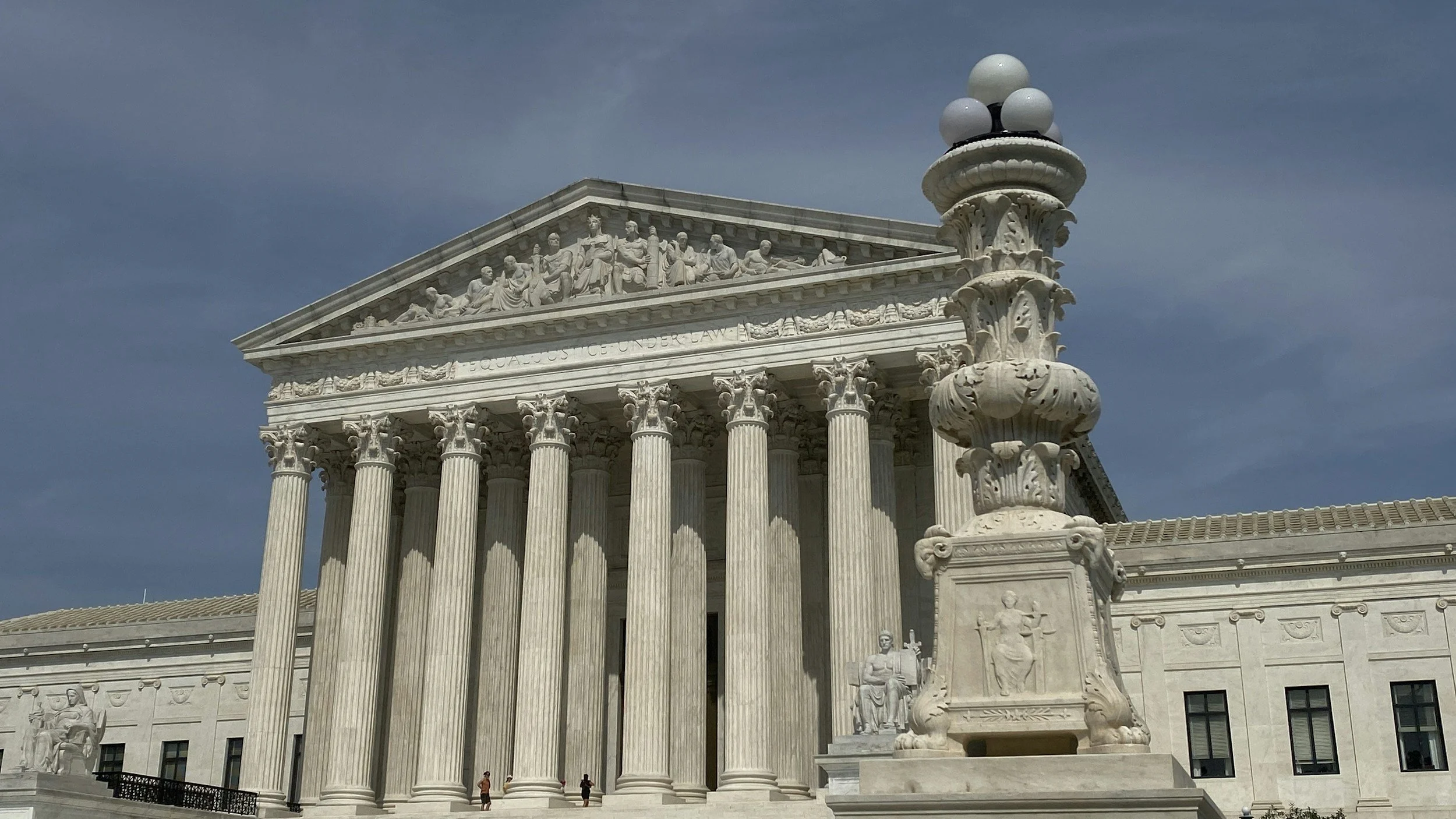
The U.S. Supreme Court has agreed to hear a case that could have significant implications for criminal defendants across the country. At issue is a fundamental question: Does the U.S. Constitution require a 12-person jury in every felony case? If you are facing serious felony charges in Minnesota, contact Jack Rice Defense for a free confidential consultation at 651-447-7650 or 612-227-1339.
The case involves a Florida chiropractor who was convicted of felony charges for practicing with a suspended license. His trial was conducted before a six-member jury, which is permitted under Florida law in certain felony cases. The defendant argues that his conviction violated the Sixth and Fourteenth Amendments because felony cases should be decided by a traditional 12-person jury.
On Monday, the Supreme Court granted review of the case and also approved the defendant's request to proceed without paying court fees. The Justices will now consider whether the Constitution guarantees a 12-member jury whenever a person faces felony charges.
Why This Matters?
The right to a jury trial is one of the cornerstones of the American criminal justice system. The Sixth Amendment guarantees the right to a trial by an impartial jury, but the Constitution does not explicitly state how many jurors must serve.
Historically, criminal juries consisted of 12 members, a tradition dating back centuries in English common law. However, some states have adopted smaller juries for certain criminal cases, arguing that they remain fair and constitutionally sufficient.
The Supreme Court has addressed jury size before, but this new case gives the Justices another opportunity to determine whether the traditional 12-person jury remains a constitutional requirement in felony prosecutions.
Minnesota's Approach
Minnesota already provides one of the strongest protections in the nation for defendants facing serious criminal charges. Under Minnesota law, every felony case is tried before a 12-person jury.
That means defendants charged with felonies in Minnesota already receive the benefit of a full 12-member jury panel, regardless of what ultimately happens in this Supreme Court case.
Still, the Court's decision could have far-reaching consequences for states that permit smaller juries in felony cases and could reshape how criminal trials are conducted across the country.
The Stakes for Criminal Defendants
The size of a jury can matter. Supporters of 12-person juries argue that larger juries provide broader community representation, encourage more thorough deliberations, and reduce the risk of wrongful convictions. Critics contend that smaller juries are more efficient and can still produce fair outcomes.
Whatever the Supreme Court decides, the ruling will address an important constitutional question that goes to the heart of the criminal justice system: What does the right to a jury trial truly guarantee when a person's liberty is on the line?
Facing Felony Charges in Minnesota?
If you are facing felony charges in Minnesota, the decisions you make early in your case can have a lasting impact on your future. Every case deserves a strong defense and a careful review of the facts, evidence, and constitutional protections available to you.
Contact Jack Rice Defense today for a free, confidential consultation.
St. Paul: 651-447-7650
Minneapolis: 612-227-1339
When your freedom, reputation, and future are at stake, experienced representation matters.