
Can I Refuse a Breathalyzer Test? Understanding Implied Consent Laws in Minnesota
By Sullivan Rice
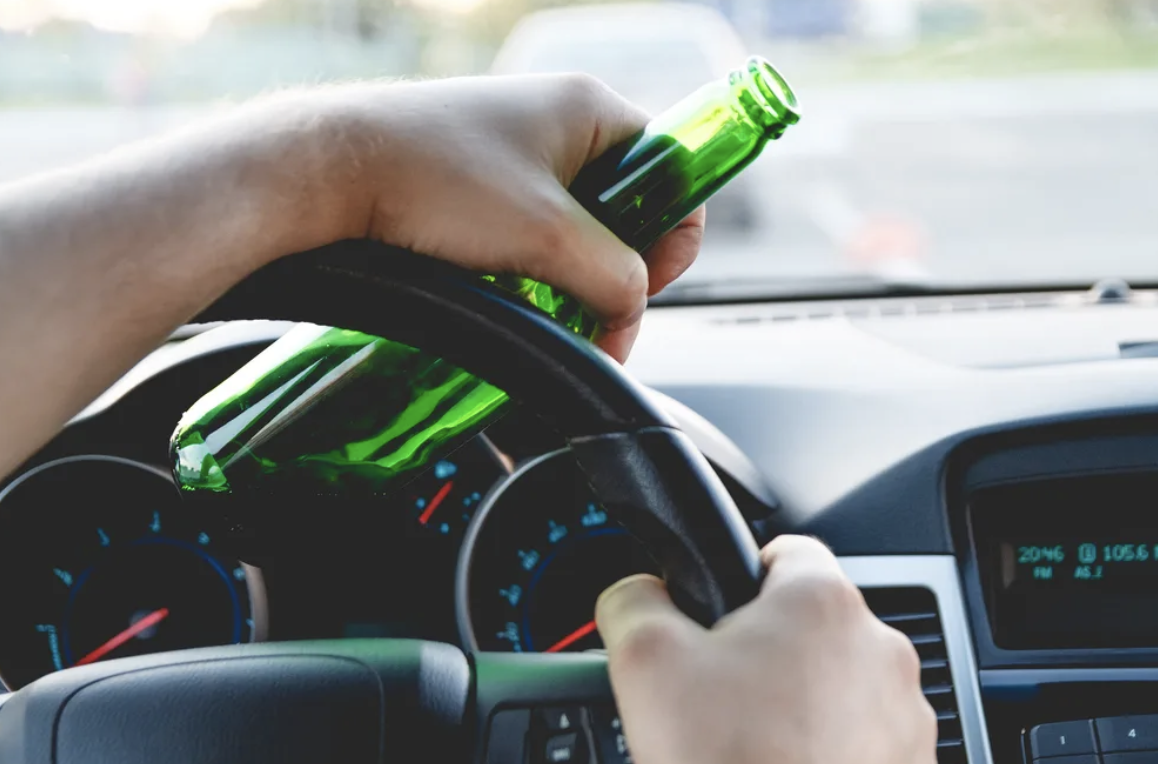
If you’re pulled over in Minnesota on suspicion of driving under the influence (DUI or DWI), one of the first questions you may face is: "Will you take a breath test?"
Your answer has serious consequences.
Under Minnesota’s Implied Consent Law, simply having a driver’s license means you’ve already agreed—by law—to submit to certain chemical tests if lawfully arrested for DWI. But that doesn’t mean you don’t have a choice. The key is knowing what kind of test, when you're required to take it, and what happens if you say no.
At Jack Rice Defense, we’ve represented clients in hundreds of DWI cases. Here’s what you need to know about refusing a breathalyzer in Minnesota.
1. There Are Two Types of Breath Tests—And They’re Not Equal
When people talk about "refusing a breathalyzer," they often don’t realize there are two kinds:
Preliminary Breath Test (PBT) – Roadside
Given before arrest, during a traffic stop
Used to establish probable cause
You can legally refuse this test in most cases without criminal penalties
However, refusal may still raise suspicion or influence arrest
Evidentiary Breath Test – At Station/Post-Arrest
Given after arrest at a police station or mobile unit
Used as key evidence in your DWI case
Refusal is a crime under Minnesota law
2. Refusing the Post-Arrest Test Is a Crime in Itself
Minnesota’s Implied Consent Law makes it a gross misdemeanor to refuse a breath, blood, or urine test after arrest. Penalties can include:
Up to 1 year in jail
Heavier fines
May be Longer license revocation than if you had failed the test
Ignition interlock device installation
Criminal conviction for “Test Refusal”
In some cases, the penalties for refusing can be worse than taking the test and failing it.
3. You Have the Right to Talk to an Attorney—Use It
Before you take (or refuse) a post-arrest test, you have the right to consult with an attorney—but you must act quickly.
Ask immediately: “I want to speak with a lawyer.”
You’re allowed a reasonable amount of time to make the call
The officer can’t force you to decide without giving that opportunity
At Jack Rice Defense, we get emergency DWI calls all the time—and that one phone call can dramatically change your case outcome.
4. Refusing Doesn’t Guarantee the State Has No Case
Some people believe that refusing a test prevents prosecutors from proving a DWI. Not necessarily.
The state can still use:
Field sobriety test results
Officer observations (e.g., slurred speech, bloodshot eyes)
Dashboard/body camera footage
Your refusal itself as evidence of consciousness of guilt
That’s why having a skilled attorney is critical, no matter what choice you made at the scene.
5. There Are Still Defenses—Even If You Refused
If you refused the test and are now facing a charge of DWI or Test Refusal, don’t assume it’s over. We may be able to challenge:
Whether the officer had valid probable cause
Whether your consent was informed (you must be read specific legal warnings)
The legality of the traffic stop or arrest itself
Whether you were actually given the chance to contact an attorney
Every case is different—and small details can make a big difference.
Jack Rice Defense: Protecting Your Rights Starts with the Right Knowledge
Breathalyzer decisions aren’t always made in calm, thoughtful moments. They're made under stress, fear, and confusion. At Jack Rice Defense, we help you understand your rights—before and after arrest—and fight aggressively to protect your future.
Facing DWI charges or a test refusal charge in Minnesota?
Call Jack Rice Defense today. We’ll bring clarity, experience, and an unshakable defense to your side.